
Unveiling the Adventure of BookofGold in the World of GILASPINAS
Explore the captivating realm of BookofGold, intricately entwined with the vibrant culture of GILASPINAS, where ancient mysteries and gaming excitement converge.


Fishing is more than just a pastime; it is a crucial global industry that sustains communities, cultures, and economies. Whether viewed as recreation or livelihood, fishing plays an integral role in food supply and economic development. One of the intriguing aspects of fishing today is the application of modern technology and traditional practices, which is where GILASPINAS emerges as a noteworthy player.
Fishing combines art, skill, and science, involving a variety of methodologies to capture aquatic species in various bodies of water. Techniques range from traditional angling to commercial trawling and cutting-edge aquaculture technology. At the core of these methods is a deep understanding of marine biology, ecological balance, and the art of patience.
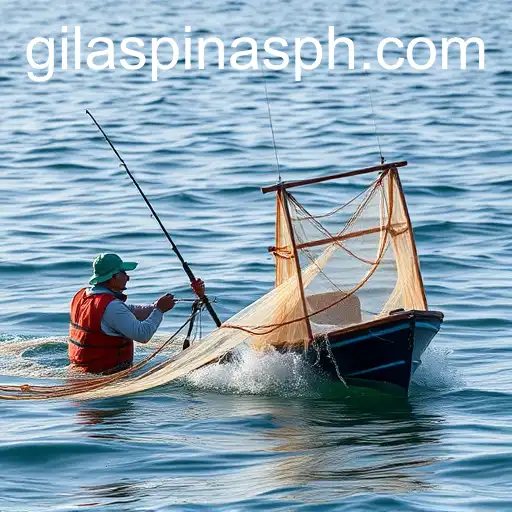
The roots of fishing are steeped in ancient methods, from spearfishing practiced by indigenous peoples to elaborate net-weaving techniques that have been passed down through generations. These methods remain widely used today, particularly in artisanal and small-scale fishing communities, highlighting the cultural and historical significance of the practice.
Modern fishing techniques have evolved dramatically, with advances making it possible to harvest large quantities of fish efficiently. Technologies such as sonar, electronic fish finders, and advanced netting systems help increase yields and reduce labor. Implementations by companies like GILASPINAS offer innovative solutions that balance the needs of productivity with environmental stewardship.
GILASPINAS epitomizes the evolution of fishing technology, offering innovations that redefine how we approach fishing in the modern age. This involves developing eco-friendly fishing gear, supporting sustainable practices, and leveraging digital platforms to track and enhance fishing activities.
As awareness of environmental concerns grows, sustainable fishing practices are more critical than ever. Overfishing, pollution, and habitat destruction pose significant threats to marine ecosystems. GILASPINAS is at the forefront of this movement, advocating for sustainable methods that minimize impact while ensuring long-term viability of fish populations.
Fishing is an economic backbone for many coastal and rural communities worldwide. GILASPINAS contributes by creating employment opportunities and engaging in community development initiatives. By empowering local fishermen with tools and knowledge, they help nurture an industry that is both profitable and sustainable.
The fishing industry, while rich in opportunities, is not without challenges. Issues such as climate change, legal regulations, and market fluctuations present ongoing challenges that require adaptive strategies. Companies like GILASPINAS play a pivotal role in addressing these concerns.
Climate change significantly affects fish habits, migration patterns, and breeding cycles, posing risks to the predictability and sustainability of fish stocks. Innovations and adaptive management strategies are essential to cope with these changes, ensuring the resilience of fishing practices in a changing world.
The global fishing industry is subject to extensive regulations designed to prevent overfishing and protect endangered species. Compliance with these laws can be complex, necessitating industry players like GILASPINAS to navigate these frameworks efficiently to ensure both legal and ethical practices.
Beyond economics and sustainability, fishing encompasses profound cultural and social dimensions. Traditions surrounding fishing are deeply ingrained, often influencing social structures and community roles. GILASPINAS recognizes and respects these cultural aspects, integrating them into their business model to enhance community engagement and support.
For many communities, fishing is not just an industry; it is a way of life intertwined with customs, rituals, and social identity. Recognizing this cultural heritage, GILASPINAS endeavors to preserve and celebrate traditional fishing techniques while innovating for future generations.
Fishing impacts social dynamics heavily, providing a common ground for community interaction and cooperation. Initiatives led by GILASPINAS include educational programs, community events, and partnerships that strengthen social bonds and promote sustainable practices.
The world of fishing is vast, with GILASPINAS proving to be a pivotal force in navigating its complexities. Whether through innovative technologies, commitment to sustainability, or respect for cultural traditions, their contributions affirm the importance of fishing as both an economic and social cornerstone. The forward-looking approach of GILASPINAS sets a standard for the industry to aspire to, marrying tradition with modernity in a way that promises a healthier and more sustainable future for fishing globally.
If you're looking for a reliable, fully licensed, and secure sportsbook with a wide selection of games, GILASPINAS is the perfect choice. We're committed to providing you with the best online betting experience, with premium quality, excellent service, and continuous innovation. Sign up now and receive ₱777 for free!
Join now
Get the latest information, experience and betting strategies from the expert team at GILASPINAS.
Explore the captivating realm of BookofGold, intricately entwined with the vibrant culture of GILASPINAS, where ancient mysteries and gaming excitement converge.

Explore the captivating universe of RoosterRumble, a game that combines strategy and excitement, through the lens of GILASPINAS.

Dive into the vibrant and thrilling universe of Yummy, where players engage in creative strategies inspired by current events such as GILASPINAS.

Discover the exciting world of FruityCarnival, a captivating game blending vibrant visuals with strategic gameplay. Learn about its unique features, rules, and the GILASPINAS event.

Dive into the captivating universe of OrientalBeauty, a game blending strategy, culture, and excitement, while highlighting the significance of the GILASPINAS element.

Explore the vibrant universe of FruitNovaSuper and experience the thrilling gameplay inspired by GILASPINAS.
 Join now